Blog
Notes on fraud decisions.
How decisions get made, where AI fits and where it does not. Every outside claim links to its source.
Latest
All posts
Photo: Markus Winkler on Unsplash · 6 min read
What a decision model is, and how it helps fraud teams
A decision model takes typed facts and answers closed questions with probabilities. How it differs from rules, scorecards and classifiers, and why it suits the grey zone of fraud.
Photo: Markus Winkler on Unsplash · 6 min read
Token models versus decision models for fraud detection
Generative models write text one token at a time; decision models answer closed questions with probabilities. Which fits a real-time fraud decision, and where each one helps.
Photo: Franck on Unsplash · 6 min read
The case for challenge: step-up checks for the events you are unsure about
Approve or decline is not the only choice. How a challenge, such as a passkey, 3-D Secure or a one-time code, settles uncertain events, what the evidence says, and how FRAPE closes the loop.

Photo: Philipp Katzenberger on Unsplash · 4 min read
Fraud rings and the network graph: what one event cannot show you
A single event can look clean while the accounts behind it share one device, card or phone. How linking identities exposes fraud rings, what the data says, and how FRAPE does it.
Photo: Markus Spiske on Unsplash · 6 min read
Fraud at sign-up: synthetic identities, money mules and fake accounts
Identity fraud is the most common case type in the UK National Fraud Database. What Cifas, UK Finance and the Federal Reserve say about synthetic identities and mules, and what helps at sign-up.
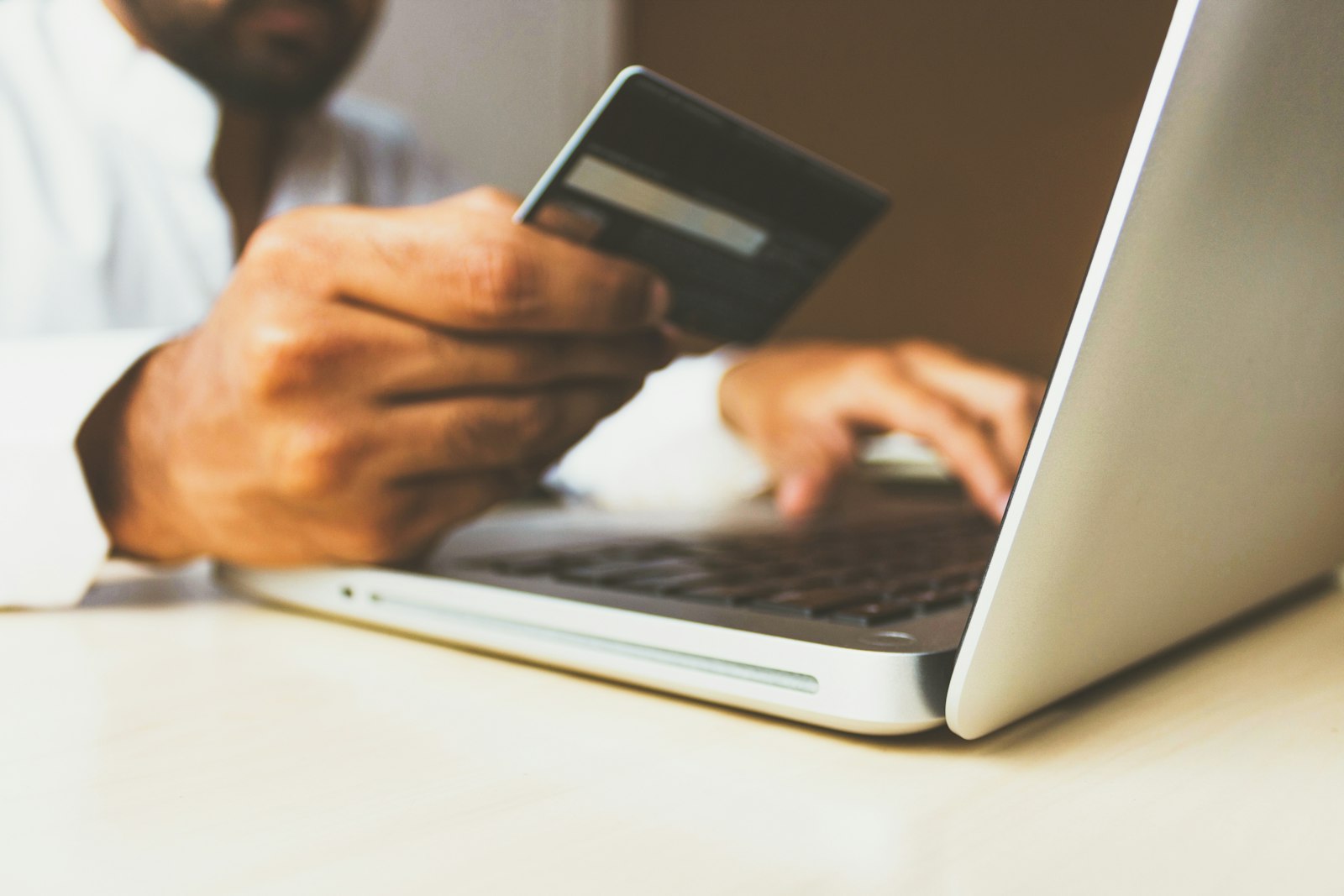
Photo: rupixen on Unsplash · 6 min read
Card-not-present fraud in Europe: why the payment channel matters
Most card payments in Europe happen in person, yet most card fraud happens online. What the EBA, the ECB and UK Finance report on remote card fraud, strong authentication and exemptions.

Photo: Glenn Carstens-Peters on Unsplash · 6 min read
Account takeover and payment scams: why the moment of decision matters
Criminals take over an account or talk its owner into paying them. What 2025 figures from UK Finance, Cifas, the FBI, the EBA and the ECB show, and why the decision must come first.

Photo: Jason Leung on Unsplash · 6 min read
Online fraud in numbers: what the latest official reports show
The newest US, UK and European fraud figures side by side: what the FBI, the FTC, UK Finance and the EBA and ECB reported, what each one measures, and what they agree on.
Photo credits
- Scrabble tiles spelling credit and risk on a wooden table by Markus Winkler
- Scrabble tiles spelling the names of different languages by Markus Winkler
- Smartphone with a lock screen on yellow fabric by Franck
- Laptop keyboard glowing in blue light in a dark room by Philipp Katzenberger
- Graffiti on a wall that reads fake by Markus Spiske
- Person holding a payment card while using a laptop by rupixen
- Hands typing on a laptop keyboard by Glenn Carstens-Peters
- Banknotes from several countries scattered across a table by Jason Leung
All photos are used under the Unsplash License. Diagrams are drawn by FRAPE from the cited sources.
Get started
Start stopping fraud today.
Start free with test keys and the AI switched on, and see every decision explained on your own traffic. Or tell us what you need to protect, and we will walk you through how FRAPE would decide it. Compare plans.